

Five Places to Discover the Stories of the Exploits Region
The history of the Exploits Region is layered across its rivers, industries, communities, and cultural traditions. These five heritage stops each open a window onto a different part of that story, from Indigenous history and early aviation to mining, manufacturing, and Atlantic salmon conservation. Together, they offer a deeper look at the people, places, and ideas that shaped the region.
5,000 Years of Indigenous History
Demasduit Regional Museum (Grand Falls-Windsor)
The Indigenous history of Central Newfoundland stretches back thousands of years. Through stone tools, cultural objects, and interpretive exhibits, the Demasduit Regional Museum explores the lives of early Indigenous Peoples, the history of the Beothuk, the region’s Mi’kmaq communities, European settlement, and later industrial development.
The museum also shares the story of Demasduit, a Beothuk woman captured near Red Indian Lake in 1819. During her captivity, she contributed words and knowledge that became part of the surviving historical record of the Beothuk people.
Formerly known as the Mary March Provincial Museum, the site was renamed using Demasduit’s own name rather than the English name given to her by settlers. The change reflects a more respectful approach to presenting her life and the wider Indigenous history of the region.
A Harbour Connected to the World
Botwood Heritage Centre and Flying Boat Museum (Botwood)
Botwood grew from a logging and shipbuilding community into an important industrial port, shipping paper from Grand Falls and minerals from the mines at Buchans. Its sheltered harbour later helped place the town at the centre of early transatlantic aviation, with flying boats stopping to refuel on routes between North America and Europe.
During the Second World War, Botwood became an RCAF seaplane base used for anti-submarine patrols and military transportation. Thousands of troops passed through the community, while well-known travellers, including Winston Churchill and Bob Hope, stopped there during transatlantic journeys.
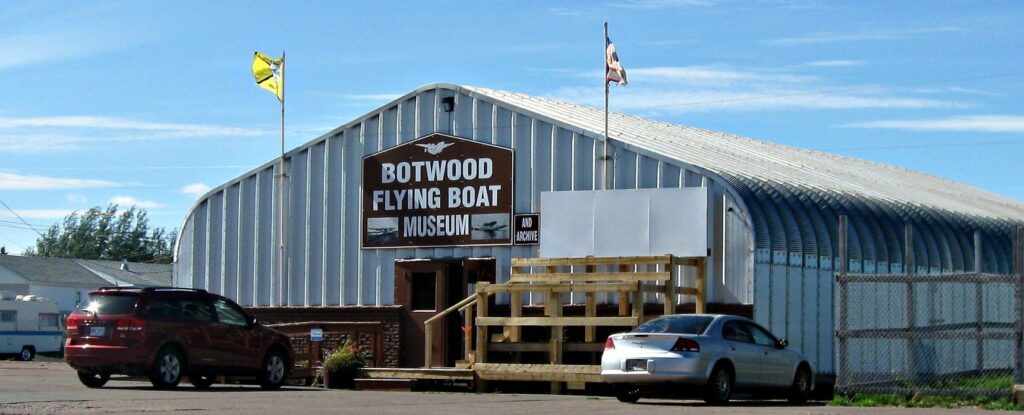
Today, the Botwood Heritage Centre and Flying Boat Museum share this history through exhibits on aviation, military service, industry, shipbuilding, and community life. Located on the former seaplane base, the heritage park also includes a PBY Catalina aircraft, wartime ammunition bunkers, archives, and flight simulators.
A Town Built by Mining
Buchans Miners Museum (Buchans)
The story of Buchans began in 1905, when Mi’kmaq prospector Mattie Mitchell discovered deposits of zinc, copper, lead, and gold near the Buchans River. Large-scale development became possible in the 1920s, after new technology was introduced to separate the complex mixture of minerals, leading to the opening of several mines and the construction of a permanent company town.
For nearly 60 years, mining shaped almost every part of life in Buchans. The company built housing, schools, recreational facilities, and essential services, while workers and families arrived from across Newfoundland and beyond. By the time production ended in 1984, approximately 17.5 million tons of ore had been mined and processed. Hockey also became central to community life, with the Buchans Miners winning five Herder Memorial Trophy championships.
Open during the summer months, the Buchans Miners Museum preserves this history through displays about mining, hockey, and everyday life. Together, they offer a glimpse of Buchans during its busiest years and the close-knit community that grew around the mines.
A Century of Craftmanship & Innovation
The Canadian Glove Museum (Point Leamington)
Located in a former Superior Glove manufacturing facility, The Canadian Glove Museum explores more than a century of glove-making history. Superior Glove has produced protective handwear since 1910, and its Point Leamington operation became part of a local legacy built around skilled work, innovation, and community pride.
Exhibits look at gloves used in industry, fashion, sports, safety, and cultures around the world. The collection also includes pieces connected to well-known figures such as Elvis Presley, Marilyn Monroe, Audrey Hepburn, and Dr. David Suzuki, showing how something as ordinary as a glove can carry an unexpected story.
Visitors can try interactive activities, create a miniature glove, and tour the working plant to see how modern gloves are made. As the only museum in Canada dedicated entirely to gloves, it offers one of the region’s most unusual heritage experiences.
The Return of the Atlantic Salmon
Salmonid Interpretation Centre (Grand Falls-Windsor)
The Exploits River is the longest and largest river on the island of Newfoundland and now supports a healthy population of wild Atlantic salmon. At Grand Falls, an extensive salmon-enhancement project opened more of the watershed to migrating fish, helping salmon reach important upstream spawning habitat.
The Salmonid Interpretation Centre shares the story of the river, the salmon’s life cycle, and the conservation work behind the Grand Falls fishway. Exhibits also explore the Exploits River watershed, the Beothuk connection to the river, and the challenges facing Atlantic salmon today.
Visitors can watch salmon move through the fishway and descend to an underwater observation area for a closer view of the migration. River vistas, aquariums, interpretive displays, and local landscaping make the centre both an educational experience and one of the region’s most memorable wildlife attractions.

Each of these places preserves a different chapter of the Exploits Region’s past, but the larger story comes into focus when they are explored together. Add one or more to your itinerary and take the time to discover the history behind the communities, landscapes, and industries you encounter along the way